Retail Analytics

Value-adding retail analyses of brick-and-mortar stores based on newly generated first-party data.

RETAIL ANALYTICS

Our retail analyses generate new insights based on first-party data.

Our C.A.P. technology generates high-quality first-party data on customers' shopping behavior in real time. This data serves as the basis for our retail analytics. All analyses aim to raise awareness of potential challenges, enable continuous learning and adaptation and ultimately identify optimization and cost-cutting potential.

The following use cases illustrate the diverse analysis options and show the added value for various departments in retail companies, from purchasing and sales to store layout teams. Retailers can compare the performance of their stores, identify deficiencies and derive strategies for improvement. Retail analytics helps brick-and-mortar retailers to remain proactive and agile.
Use-Case 01

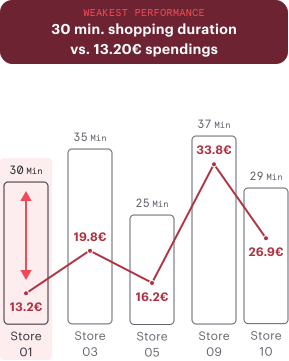
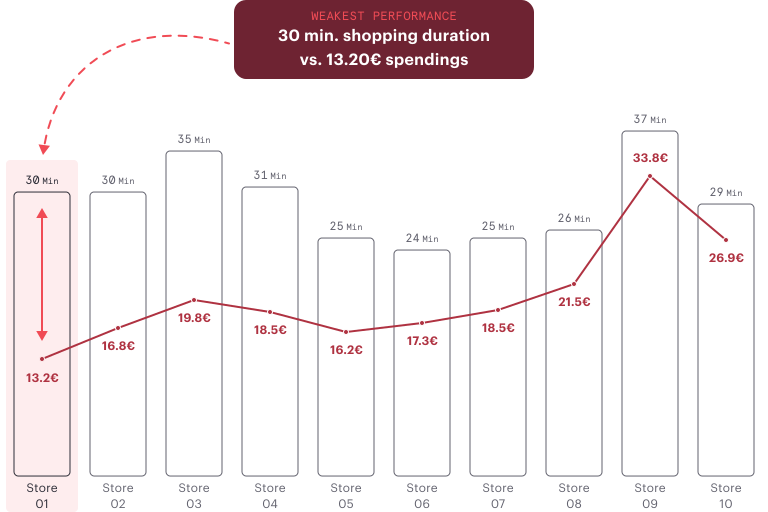
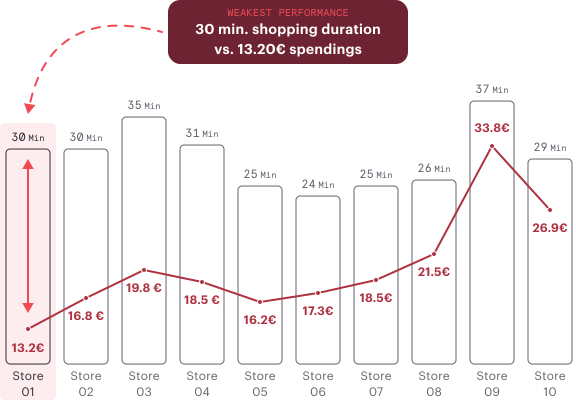
Comparison of shopping duration with spendings

Evaluating store performances and identifying opportunities for optimization.
MEthod:
Benchmarking
RELEVANT FOR:
Sales team
Store Manager
Store layout team
Download Use-Case
location
10 stores
period
4 months (aggr.)
kPI
shopping time min. (median) / spendings €

Observation

Optimization

Use-Case 02

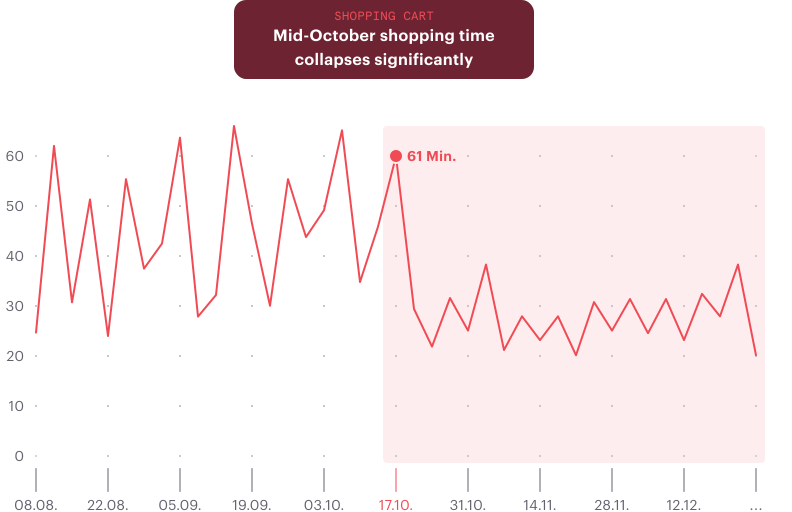
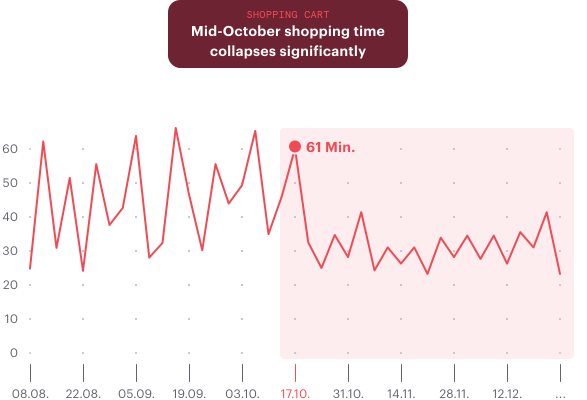
Shopping time of customers in the store
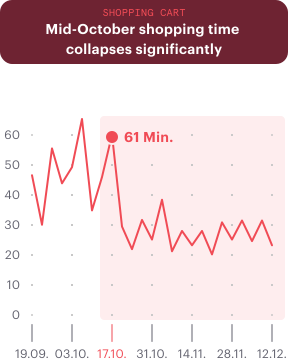
Identifying irregularities over time, tracking sales promotion activities.
MEthod:
Monitoring
RELEVANT FOR:
Sales team
Store Manager
Store layout team
Download Use-Case
location
1 store
period
5 months
kPI
shopping time min. (median)

Observation

Optimization

Use-Case 03

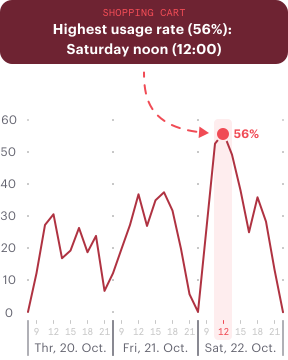
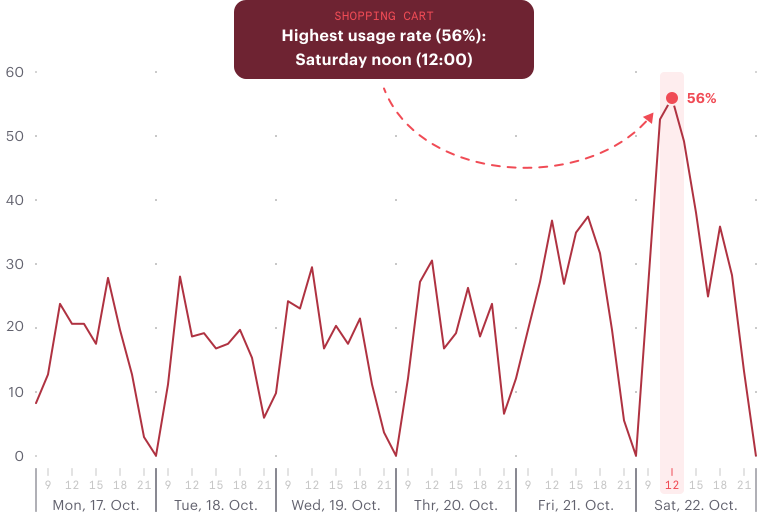
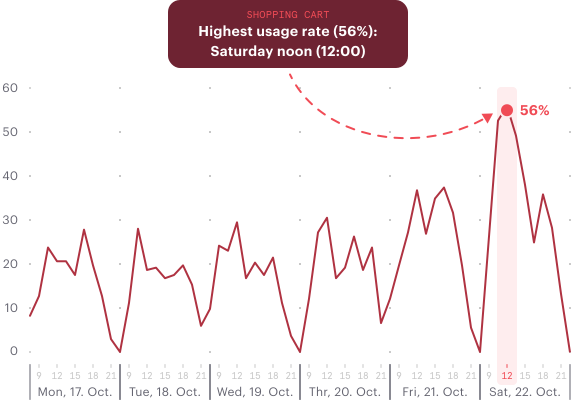
Shopping cart usage rate

Determining the number of shopping carts actually needed. Utilization planning, replacement requirements.
MEthod:
Monitoring
RELEVANT FOR:
Sales team
Store Manager
Purchase of capital goods
Download Use-Case
location
1 store
period
1 week / hr.
kPI
usage rate in %

Observation

Optimization

Use-Case 04

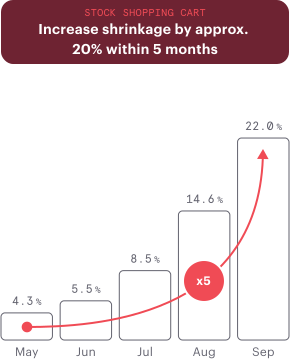
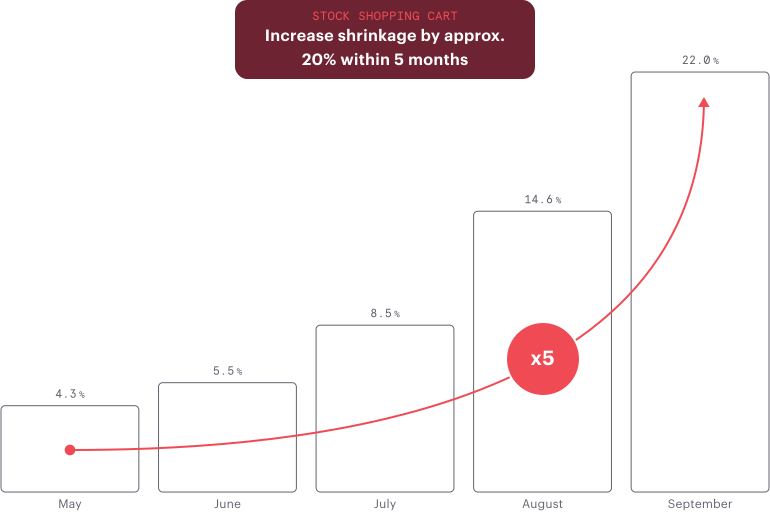
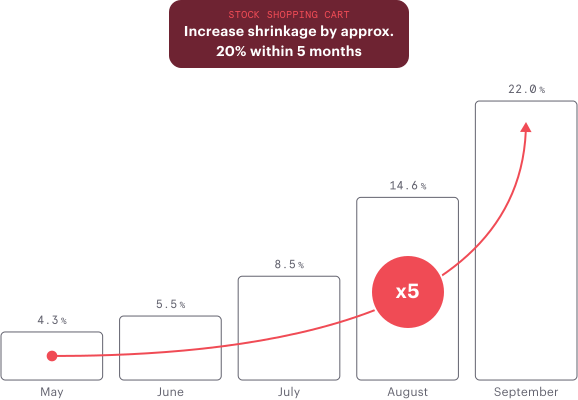
Shopping carts shrinkage rate

Determining shrinkage rates and optimizing fleet management.
MEthod:
Monitoring
RELEVANT FOR:
Sales team
Store Manager
Purchase of capital goods
Download Use-Case
location
1 store
period
5 months
kPI
shrinkage rate in %

Observation

Optimization

Frequently Asked Questions

Yes. Beyond retail media analytics, C.A.P. provides retailers with detailed insights into shopper movement, traffic patterns, and dwell behavior along the main shopping routes. This helps retailers better understand how customers navigate the store, which areas receive the most attention, and how in store touchpoints influence purchasing decisions. At the same time, C.A.P. enables incremental retail media revenue while maintaining a high quality and non intrusive shopping experience.

On average, a C.A.P. campaign more than doubles the purchase probability for shoppers exposed to the advertising. In some cases, conversion rates have even quadrupled.

Actual sales uplift depends on factors such as product category, content quality, advertising pressure, and campaign objectives. In addition, there are long-term effects that are not fully captured in short-term sales analyses.

Yes. C.A.P. knows the daily baseline sales of each product without C.A.P. advertising and can therefore precisely calculate how many additional units were sold due to the campaign.

The measured effect reflects only the incremental sales generated by the C.A.P. retail medium.

C.A.P.’s unique technology tracks shoppers throughout their journey in the supermarket and records which advertising spots they have seen. At checkout, this data is linked to the purchase information on the receipt.

This allows C.A.P. to know for each individual shopper:

  1. Which ads were viewed
  2. Which products were subsequently purchased

The 1:1 combination of ad exposure and individual receipts enables completely new analyses – comparable to online marketing.

Got questions or feedback for us?

We are excited to hear from you!

Vielen Dank für Ihre Nachricht!
Huch! Beim Absenden des Formulars ist etwas schief gelaufen.